On the Artist in Progress: Leaf by Niggle, J.R.R. Tolkien
Another November reflection, inspired by one of my favorite works by the Professor.
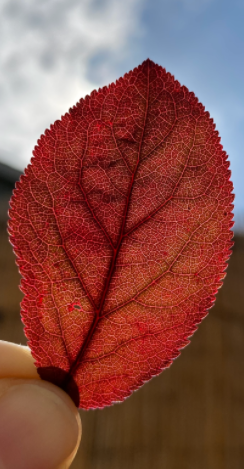
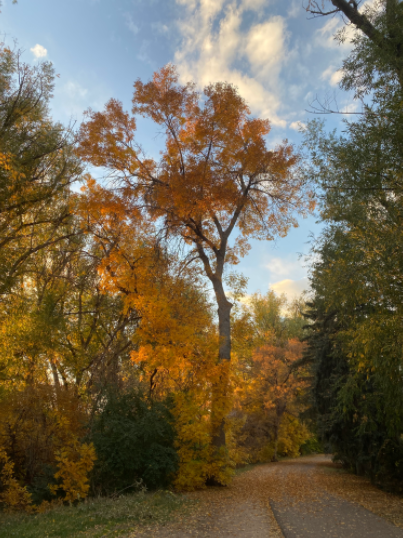
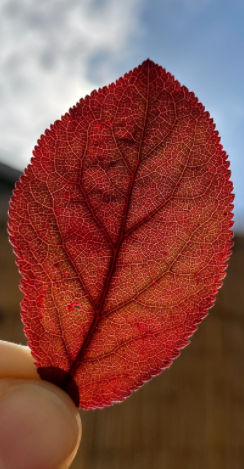
“It had begun with a leaf caught in the wind, and it became a tree; and the tree grew, sending out innumerable branches, and thrusting out the most fantastic roots.” — J.R.R. Tolkien, Leaf by Niggle
There is a certain ache in unfinished work that only the year’s end seems to bring. Lists remain; ideas half-born linger in the corners of the mind; the body, tired and tender, calls for gentleness. Tolkien understood this ache. In Leaf by Niggle, his painter tends a single leaf, and no sooner is one stroke made than the world intrudes—neighbors, illness, duties, the unceasing passage of time. What Niggle believes to be distraction, theft from his work, becomes the very instrument of his salvation.
“When Parish looked at Niggle’s garden… he saw mostly weeds; and when he looked at Niggle’s pictures… he saw only green and grey patches and black lines, which seemed to him nonsensical.”
We, too, live in the tension between desire and duty, calling and survival. To create is to open oneself to life, to God, to the shaping of beauty from the rawness of the world. But life, with its quiet demands and urgent pleas, often pulls us from the canvas, from the song, from the deep places where God whispers. To love God and neighbor—to feed, to tend, to labor for what cannot repay—is to lay down pieces of ourselves. And yet, perhaps it is in these very abandonments that we are most formed.
Niggle’s purgatory is not punishment, but the patient working of love. Half-finished work is gathered into wholeness. Mislaid intention is drawn into grace. What seems lost—the leaf unpainted, the brush left idle, the gifts set aside—is carried beyond the measure of time, to the place where all things are made right.
“What was the matter with him?” said a Second Voice… “His heart was in the right place.”
There is a quiet challenge here: to trust the unfinished, to let mercy thread through what we cannot complete. To stand in the pause, to tend the small and near, to receive interruptions as gifts. Our small acts of care, the pieces of life we fear squandered, are part of the larger painting we cannot yet see. Faith is not the power to finish; it is the patience to be worked upon, the courage to let the true Artist complete what He began.
So as the year closes, I lay down the brush for a time. I tend what is near, and I trust that the forest grows beyond my sight. There is grace in incompleteness. There is mercy in interruptions. There is rest in knowing the story continues, even when I stop.
““It’s a gift!” he said. He was referring to his art, and also to the result; but he was using the word quite literally.”
May all our small leaves find their place in the forest. And may we, in our pauses and our unfulfilled longings, find refuge in the quiet shaping of our lives—the slow, gentle, relentless work of love.